Research


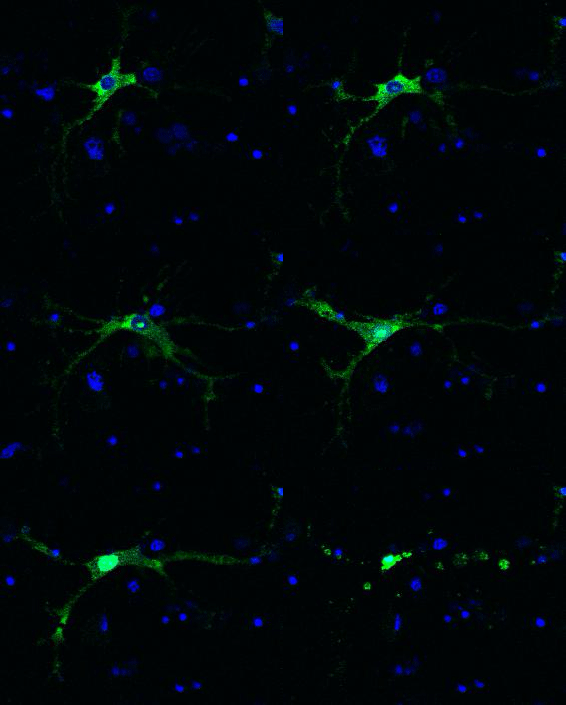
Theme I
Uncovering Disease Mechanisms
Through a combination of innovative techniques and interdisciplinary approaches, we strive to identify shared and distinct aspects of ALS/FTD. By focusing on key factors such as C9orf72 and TDP-43, which play significant roles in the ALS/FTD disease spectrum, we aim to reveal underlying pathomechanisms. Additionally, we investigate universal factors driving age-related neurodegeneration, further expanding our understanding of these disorders.
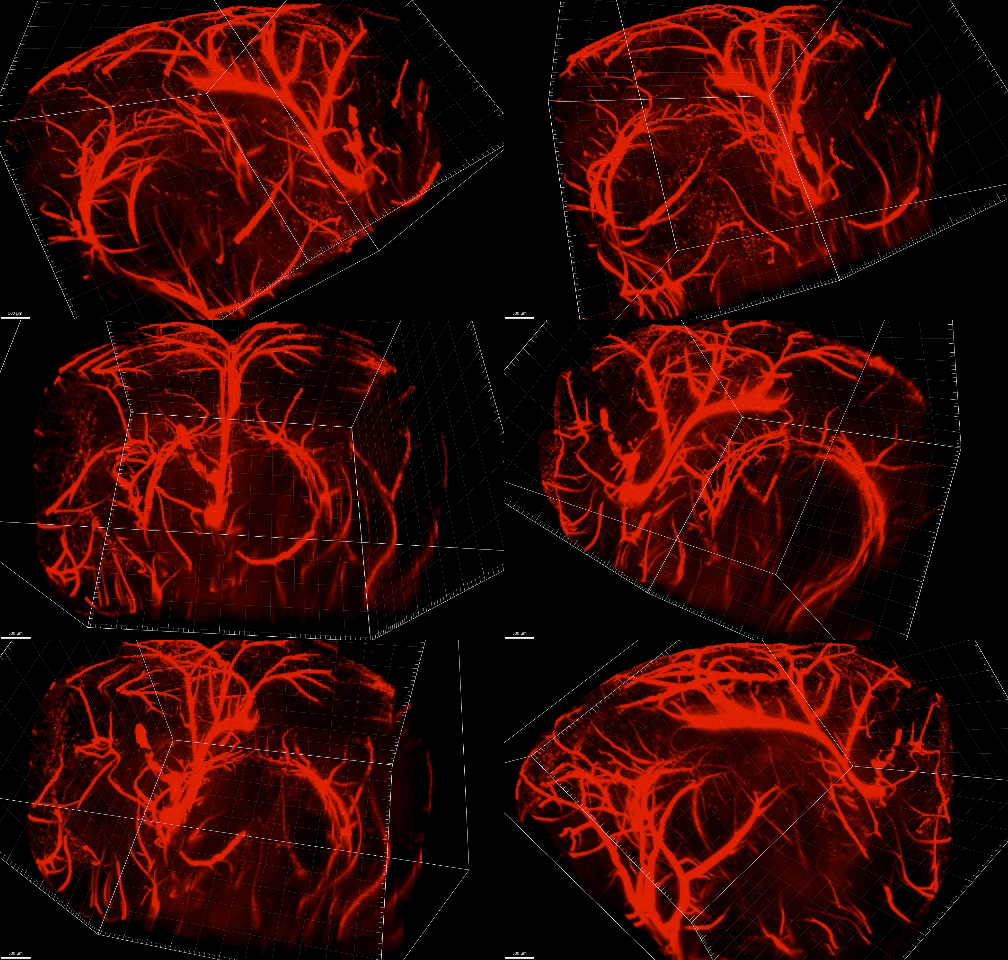
Theme II
Robust Disease Modeling
To enhance our comprehension of pathomechanisms and develop effective therapeutic strategies, our lab specializes in robust disease modeling. By utilizing cutting-edge technologies such as iPSCs, organoids, and mice, we can better study ALS/FTD using combinatorial in silico, in vitro, and in vivo approaches. These models often recapitulate pathological features of ALS/FTD enabling the evaluation of potential disease modifiers.
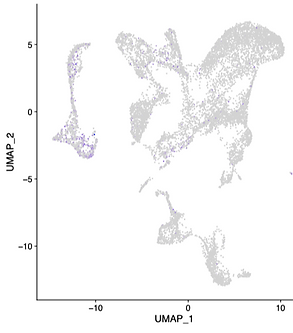
Theme III
Unveiling Molecular Omic Signatures
A key aspect of our research focuses on analyzing omic signatures of ALS/FTD disease models as well as patient tissues and biofluids, we aim to uncover biomarkers and molecular patterns that can be used for diagnostic, prognostic, and pharmacodynamic purposes. This deeper understanding not only enhances our knowledge of the diseases but also paves the way for personalized approaches and guides the development of targeted therapies.
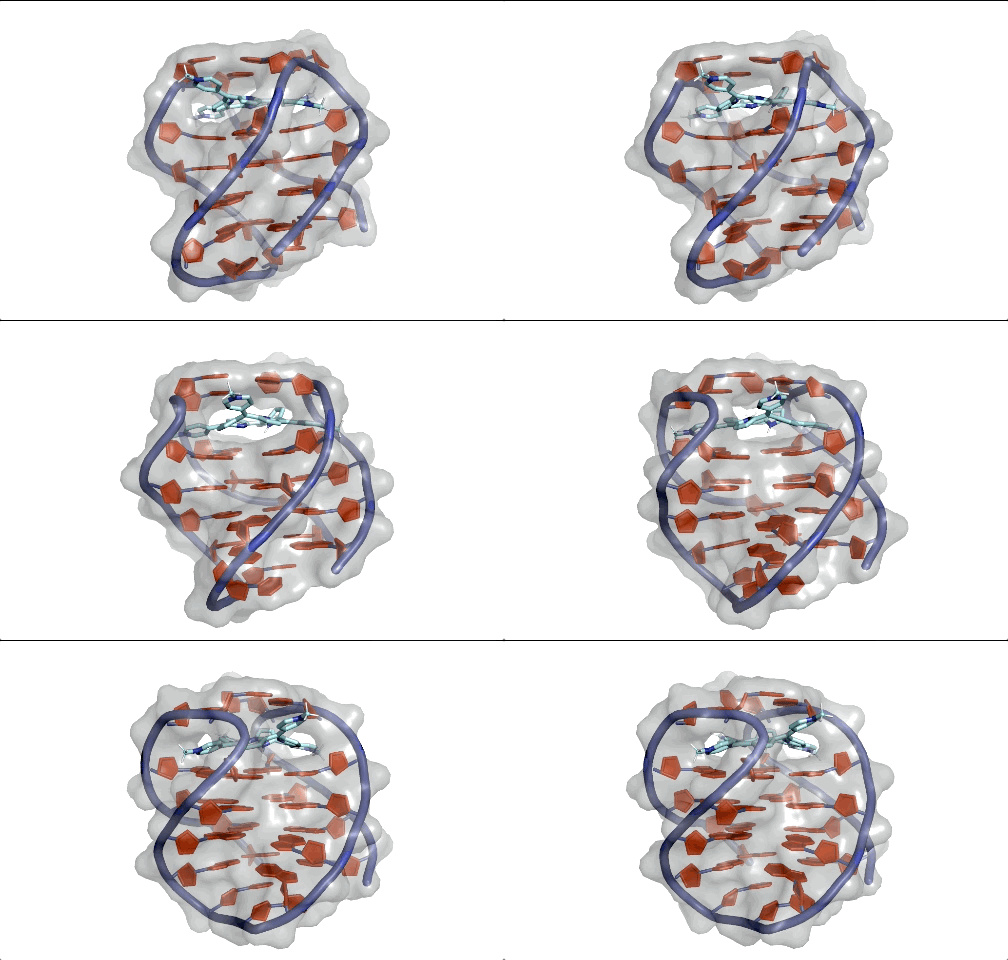
Theme IV
Targeting Disease Mechanisms
Understanding disease mechanisms is paramount in the pursuit of effective treatments for ALS/FTD. In our lab, we employ innovative strategies to intervene in different ALS/FTD disease etiologies, targeting specific factors or shared age-related pathways of neurodegeneration. By targeting the root causes and interrupting the cellular cascades that lead to neurodegeneration, we aspire to prevent the progression or pathological spread of these devastating disorders.
Research & Initiatives
We investigate unique and shared mechanisms in ALS/FTD while utilizing innovative methodologies, models, and omic signatures for comprehensive analysis. By targeting the underlying causes and exploring therapeutic interventions, we aim to halt neurodegeneration and develop effective therapies.


